

According to the Stockholm International Peace Research Institute, global military spending reached $2.7 trillion in 2024, roughly 500 times the current peacekeeping budget. This alarming figure reflects a decade-long trend: while military expenditures continue to rise, funding for peacekeeping has steadily declined.
At the same time, conflict has intensified. By the end of 2020, a quarter of the world’s population lived in conflict-affected countries. Today, there are 61 active conflicts, the highest number since 1946.
“The evidence is clear,” said the UN Secretary-General last week, “excessive military spending does not guarantee peace. It often undermines it – fueling arms races, deepening mistrust, and diverting resources from the very foundations of stability.”
Despite the growing demand for peace solutions, “the UN has been absent or marginalized in many of today’s most pressing crises. In past emergencies, it would have been unthinkable for the UN not to be present,” warned Jenna Russo of the International Peace Institute, during last week’s open debate on the future of peace operations.
Reinvesting in what works
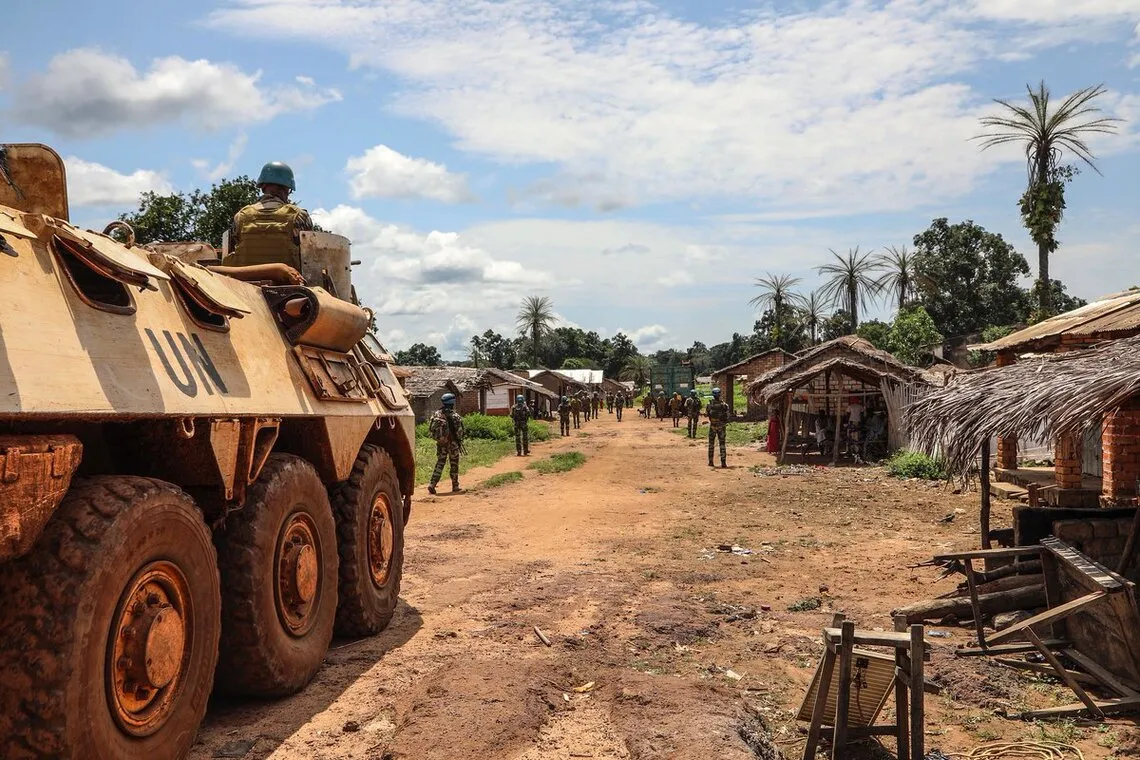
The increase in global military spending diverts critical funding from both development initiatives — which tackle the root causes of conflict — and peace operations, which remain among the international community’s most cost-effective and proven tools for managing conflict.
UN Peacekeeping has been found to promote global stability at a fraction of the cost of unilateral military operations. In fact, we deploy at roughly one-eighth the cost of a comparable U.S. military mission.
Importantly, “less expensive” does not mean “less effective.” The Secretary-General describes peacekeeping not only as a lifesaving tool, but also as a smart investment. Throughout its history, UN Peacekeeping has prevented violence before it starts, protected civilians during conflict, and supported transitions to sustainable peace after violence ends. Civilian casualties are lowered, and peace deals are more stable when UN peacekeepers are deployed. We have helped countries like Cambodia, Côte d’Ivoire, El Salvador, Guatemala, Liberia, Mozambique, Namibia, Sierre Leone and Timor Leste emerge from conflict.
UN Peacekeeping is a tool often uniquely positioned to succeed. As impartial actors representing the collective action of the global community, not the special interests of a single nations, lending us legitimacy and credibility that others often cannot achieve alone. We are also able to draw on decades of expertise in ceasefire monitoring, supporting peace processes, protecting civilians, and helping restore state authority so that we don’t just help stop wars, we help establish lasting and inclusive peace...
Read more on UN Peacekeeping's website: Now is the time to invest in peace, not war | United Nations Peacekeeping


